
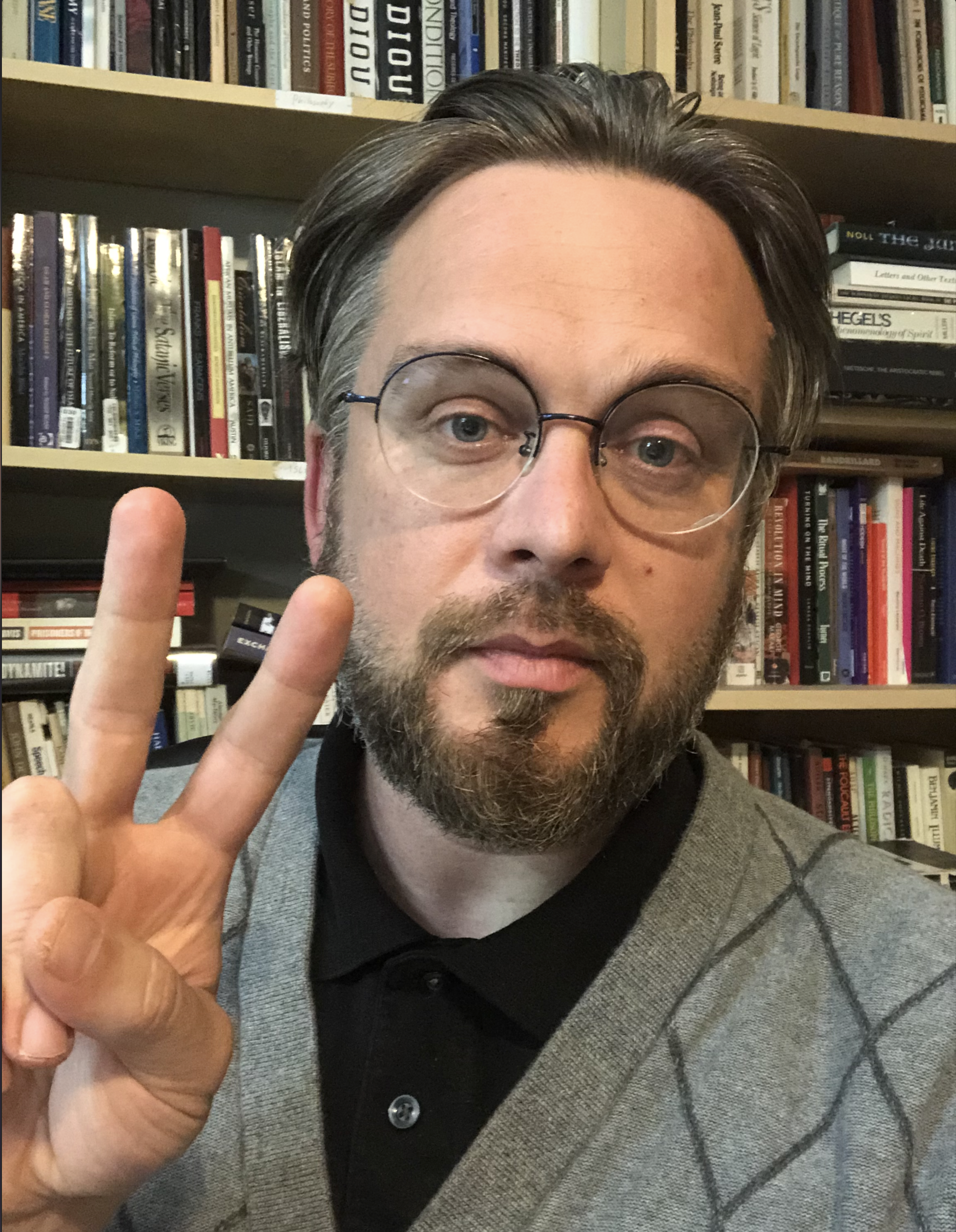
About Me
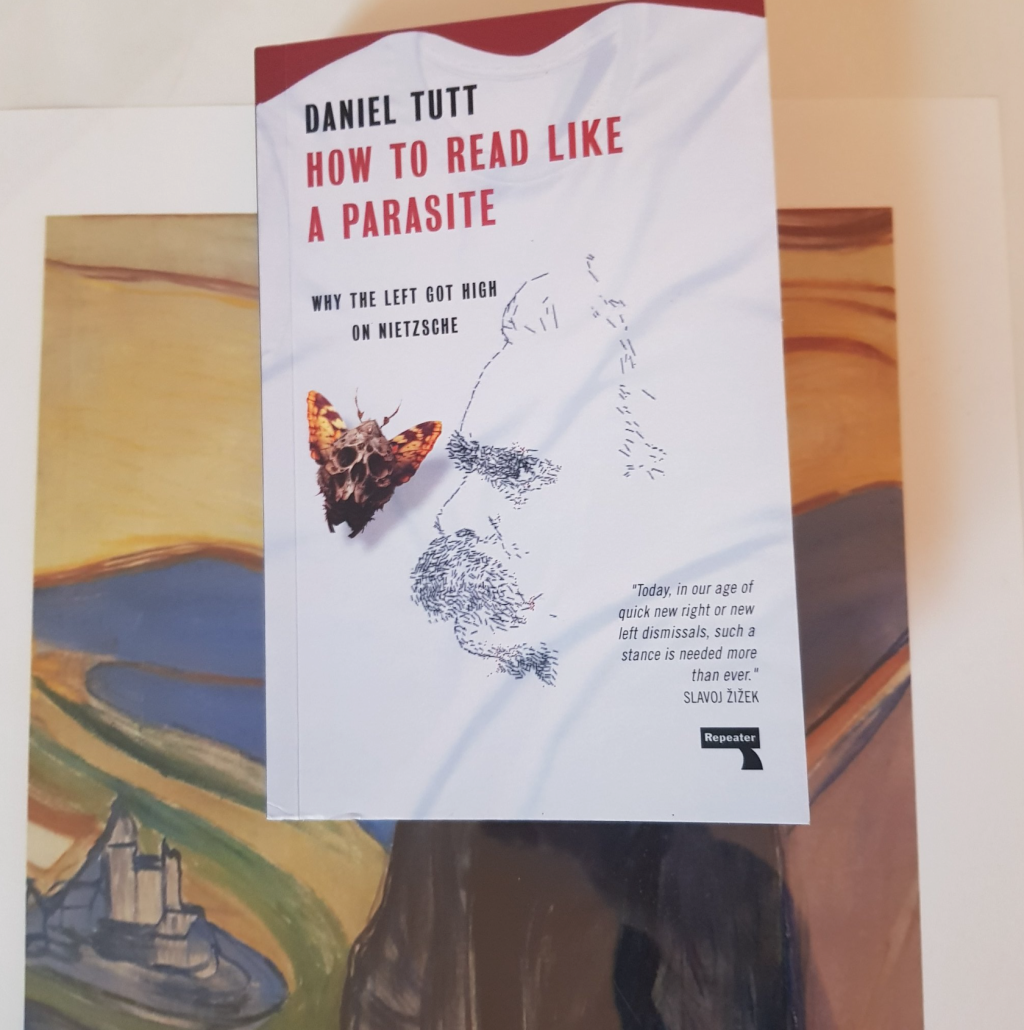
Daniel Tutt is a philosopher with a focus on psychoanalytic theory and Marxist thought. He is the author of Psychoanalysis and the Politics of the Family: The Crisis of Initiation with the Palgrave Lacan Series and How to Read Like a Parasite: Why the Left Got High on Nietzsche with Repeater Books. He has taught philosophy at George Washington University, Marymount University and the Washington, DC jail and he is a Senior Research Fellow at the Global Center for Advanced Studies.





Ask me a question:
Podcast

The Politics of Music (feat. Scribe Wolf) – Emancipations Podcast
We are pleased to welcome longtime friend of the show Scribe Wolf, aka A. H. Ra. In this discussion we focus on the book Noise: The Political Economy of Music by theorist Jacques Attali, a highly influential work that crosses disciplinary borders from history, music, to critical theory and Marxism. This is a wide-ranging and improvisational conversation. Definitely not to be missed. Includes a surprise new song! Scribe Wolf is an Appalachia-based alt-country musician who describes his project as a "folk-form residing in the punctuated stitching-through of classical technique in avant-garde substrates." Along with his musical work—which additionally spans industrial roles as a classically trained composer and an audio engineer—Ra comes to the program with a background in Marxist, psychoanalytic, and medievalist scholarship, as well as a history of Leninist organizing. His new avant-metal band Lunafaction is a collaboration with Portland-based Jacob Schulte of black metal project Yfelsian; their debut single The Augury will be out on Bandcamp Friday, April 5, 2024: https://lunafaction.bandcamp.com/ Music video for "Possible Steps through a Moribund Arbor": https://youtu.be/i81XBcJJrpE?si=zYwi7-Qc3llELIQk
- The Politics of Music (feat. Scribe Wolf)
- Gaza Now: A Palestinian Perspective (feat. Mohammed Sulaiman)
- Politically Red: What Does it Mean to Read as a Marxist? (feat. Sara Nadal-Melsió & Eduardo Cadava)
- Marxism and the Absence of Socialism in America: A Conversation with Carlos Garrido
- The Vicissitudes of Identity Politics On the Left (feat. Sudip Bhattacharya)
 Daniel Tutt